50 Robots Replace 1,000 Workers! Union Takes a Stand Against Major Automaker
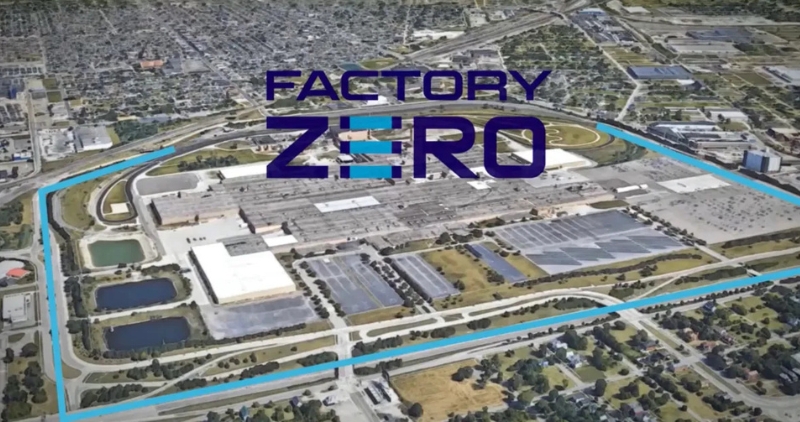
General Motors (GM) recently sidelined over 1,000 workers at its “Factory Zero” plant in Detroit while significantly scaling back its electric vehicle (EV) plans. During this period, the company deployed 50 new collaborative robots—or “cobots”—on the assembly line. This move has drawn sharp criticism from labor unions. Reports indicate that GM is attempting to cut costs and improve operational efficiency due to lower-than-expected demand for its EV models. However, the company maintains that these robots were installed to work alongside employees rather than replace them.
According to an AutoBlog report, these cobots are now working alongside employees responsible for installing vehicle body panels on the assembly line at the Michigan-based Factory Zero plant. GM states that such technology is essential to maintaining competitiveness at the Detroit-Hamtramck electric truck plant.
GM spokesperson Kevin Kelly told *Crain’s Detroit Business* (via *NYPost*): “At Factory Zero, we are integrating these robots with our team. This will enhance worker safety and ergonomics while keeping our operations flexible and competitive.” The company also clarified that the affected employees have been laid off temporarily rather than permanently, though it did not specify when they might be recalled.
On the other hand, James Cotton, President of United Auto Workers (UAW) Local 22, disagrees with this claim. He believes that cobots are being used primarily to cut costs and that this practice is jeopardizing the jobs of union members. “We are losing our share of the manpower,” Cotton told Crain’s. He added, “From top to bottom, we are upset about the deployment of cobots in our plants.”
According to reports, the labor hours required to build a car have dropped by 50 to 70 percent since the 1980s. Despite this, UAW workers have seen consistent wage increases. The union secured historic pay raises in 2023, and it is anticipated that they may push for stronger safety provisions for workers during the next contract negotiations in 2028.
Cotton also noted that while the company frames the use of robots as a safety-enhancing measure, there are concerns regarding the safety of humans and robots working side-by-side. Consequently, the union has filed formal complaints against GM regarding these cobots. Thus, the growing presence of robots at Factory Zero has evolved beyond a mere issue of automation; it has become the subject of a new debate concerning the future balance between employment and technology.