Preparing for satellite refueling and pharmaceutical manufacturing in space: Space startup founders share plans with the PM; Skyroot to launch rockets monthly
Satellite refueling in space, debris-clearing robots, and medicines manufactured while floating in the air—India’s space sector is now working to turn technologies seen in movies into reality. Prime Minister Narendra Modi held a special interaction with the founders of 20 Indian space startups.
The PM assured them that the government would never abandon entrepreneurs and that those willing to take risks would receive full support. While the interaction took place on August 21, the video was released today, August 23. Here are the highlights of the conversation…
Skyroot’s goal: Launching a rocket every month
Skyroot informed PM Modi that on July 18, it had successfully placed satellites into orbit using India’s first private rocket. The company has established three manufacturing facilities so far, with the capacity to produce one rocket per month.
The company plans to launch one rocket every month. Its subsequent goals include launching one rocket per week and, eventually, multiple rockets daily.
Fuel stations, cleanup robots, and pharmaceutical satellites
Indian startups are working on several innovative technologies:
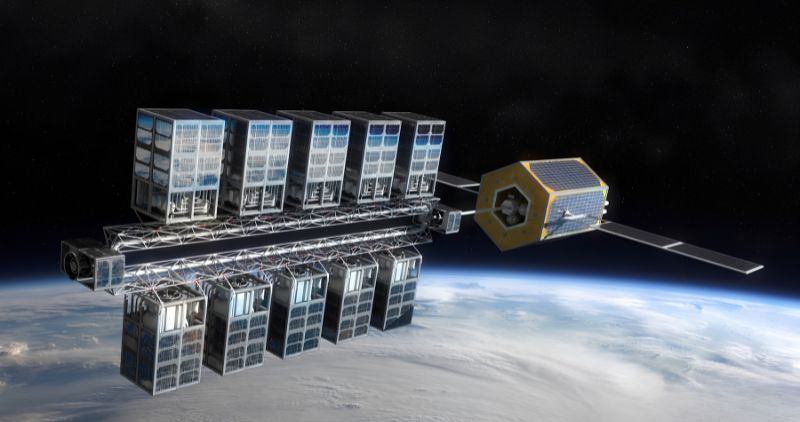
Space petrol pumps: A company is developing docking and refueling technology to refuel satellites directly in space.
Debris removal: Work is underway on a robotic spacecraft designed to capture discarded and ‘dead’ satellites floating in space and remove them from orbit.
Space pharma: A startup is developing satellites capable of manufacturing medicines in the zero-gravity environment of space and bringing them back to Earth.
A closer look at space petrol pumps and space pharma…
Just as we visit a petrol pump when a vehicle runs out of fuel on the road, satellites in space also run out of fuel. An Indian company is developing technology that will connect with satellites while they are in orbit and refuel them, much like refueling a vehicle with petrol or diesel.
In contrast, when medicines are manufactured on Earth, the pull of gravity often prevents chemicals and proteins from mixing properly, causing them to settle or separate.
Conversely, in space, medicines and proteins blend in their purest form without the interference of gravitational pull. This results in a highly precise and clean manufacturing process.
Engineers Returning to India from the US and Europe
A new global trend has emerged following the opening of the space sector to private players. Indian engineers previously employed in the US and Europe are now leaving their jobs to return to India and join the country’s burgeoning space startups.
Prime Minister Modi has stated that India should create an environment that attracts global talent to pursue careers in the country’s space sector. India’s talent pool has the potential to act as a magnet, drawing scientists from around the world.
8 New International Contracts Secured in One Month
Indian startups are establishing global ground station networks and are poised to export satellite engines. These engines enable satellites to maneuver within space for periods ranging from 5 to 15 years.
Indian companies are receiving a positive response thanks to their cost-effectiveness and access to skilled talent. In the last month alone, Indian startups have secured contracts for eight new launches, the majority of which are for foreign clients.
Plans to Assist 1 Million Farmers Using Space Data
Space-tech startups are also focusing on India’s agricultural sector. These startups plan to assist approximately one million farmers by leveraging space data and satellite technology.
This initiative will provide precise information regarding weather conditions, soil moisture, and crop health, thereby making farming more profitable and efficient.