AI to Impact 22% of Jobs by 2030; 40% of Companies Prioritize Candidates with Degrees Plus AI Skills; China Scraps 12,000 Degree Programs, Launches AI Courses
A major transformation is underway in sectors such as IT, law, commerce, translation, design, and library science across the country. AI tools have either eliminated or drastically reduced the scope of roles for which lakhs of students earn degrees every year.
HR firm TeamLease states that 40% of companies now consider “hybrid skills”—combining a formal degree with knowledge of AI tools—to be essential. A 2024 NASSCOM report reveals that 82% of BCA and MCA graduates in the country lack formal training in AI tools.
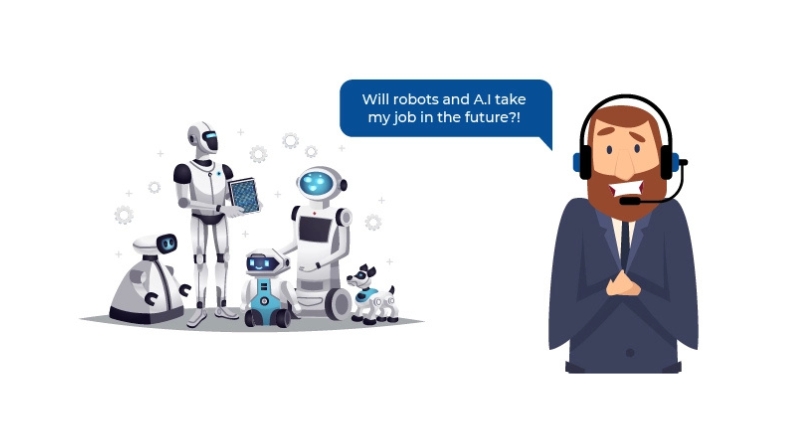
According to a World Economic Forum report, jobs will be retained by those who can leverage AI tools to boost productivity by up to 40%.
A report by the IBM Institute for Business Value notes that while AI will not replace humans, individuals who use AI will replace those who do not. The “Future of Jobs Report 2025” indicates that 22% of jobs could be affected by 2030.
Meanwhile, between 2021 and 2025, Chinese universities cancelled or suspended over 12,200 undergraduate programs while launching approximately 10,200 new ones.
China Scraps 12,000 Degree Programs, Launches AI Courses
Over a four-year period, Chinese universities discontinued or suspended more than 12,200 undergraduate programs while introducing around 10,200 new ones.
Many of these cuts focused on fields such as the arts, humanities, foreign languages, and management. The reason for this is that the Chinese government is pressuring universities to cultivate talent for strategic sectors such as AI, semiconductors, and robotics.
Karnataka Government Reduces Course Seats
In India, the Karnataka government has discontinued 458 BA, BSc, and BCom course combinations in government colleges for the 2026-27 academic year, citing low enrollment and other factors. Additionally, it has reduced the number of seats across more than 1,300 courses.