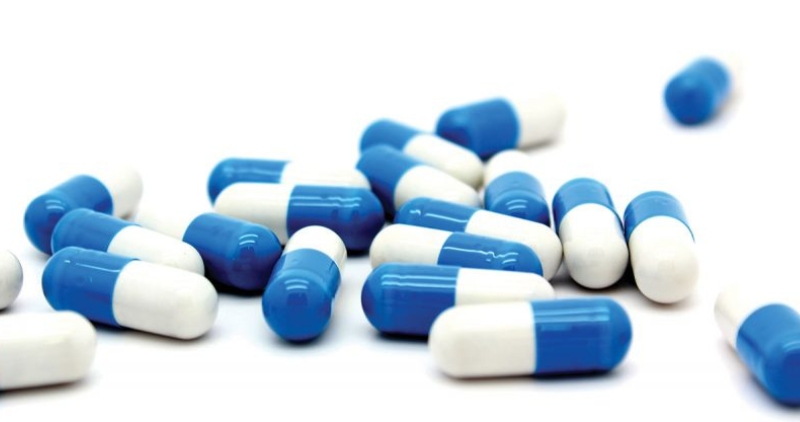
These medicines can no longer be bought without a doctor’s prescription; stricter norms for medical stores
The central government has recently introduced major changes to the regulations governing the sale and licensing of medicines containing more than 12% ethyl alcohol. Such medicines can no longer be sold without a license, and a doctor’s prescription will be mandatory for their purchase. The government states that the objective of this decision is to curb the misuse of these medicines and ensure they are available solely for legitimate medical needs.
No more ‘Schedule K’ exemption
According to the Ministry of Health, medicines containing more than 12% ethyl alcohol and exceeding a volume of 30 ml will no longer qualify for the licensing exemption granted under ‘Schedule K’. This means that a license under the Drugs and Cosmetics Act, 1940, will now be required for the manufacture and sale of these products. The government has implemented this change by amending the Drugs Rules, 1945.
Medicines available only on doctor’s prescription
The government has decided to classify these medicines under ‘Schedule H1’. Drugs in this category can now be sold only against a prescription from a registered medical practitioner. Additionally, medical stores must maintain sales records for these medicines in accordance with prescribed rules, ensuring stricter monitoring than before.
Why was this step taken?
According to the Ministry of Health, ethyl alcohol levels as high as 80% to 90% were detected in certain medicines. Complaints had been received regarding their use for intoxication in various places. Some state governments had also alerted the Centre about such misuse, prompting the decision to revise the regulations.
Which medicines will be affected?
Previously, certain medicines formulated with cardamom, ginger, and other aromatic spices enjoyed licensing exemptions under Schedule K. Taking advantage of this provision, some products containing high levels of alcohol were being sold in the market. Now, all such medicines containing more than 12% alcohol will fall under a unified regulatory framework. Under current regulations, alcohol content of up to 16% is permitted in Ayurvedic, Siddha, and Unani syrups, whereas the limit for homeopathic medicines is 12%. The objective of this change is to implement uniform and transparent regulations across all categories of medicines.
Focus on Public Safety
The government states that under the new rules, the supply of such medicines will take place exclusively through authorized drug delivery systems. This will help curb misuse and illegal sales, while ensuring that patients in need continue to have access to essential medicines. The Ministry of Health views this move as a significant step towards promoting the responsible use of medicines and strengthening public health safeguards.