Diabetes and Weight-Loss Medication Launched in India at Extremely Low Prices; High Global Demand
Following the expiration of the patent for the GLP-1 molecule (Semaglutide) in India on March 20, domestic pharmaceutical companies have launched their injectable versions of the drug. Consequently, this medication—used for diabetes management and weight loss, and sold globally under the brand names Ozempic and Wegovy—will now be available in India at significantly lower prices.
How Much Will Prices Drop?
In India, a one-month course of Semaglutide is now expected to be available for approximately ₹3,000–₹5,000, whereas previously, the cost of branded versions was around ₹11,000.
Analysts believe that as more companies enter the market, prices could drop further to between ₹1,500 and ₹2,500—implying a potential overall price reduction of up to 80%.
Which Companies Have Launched Products?
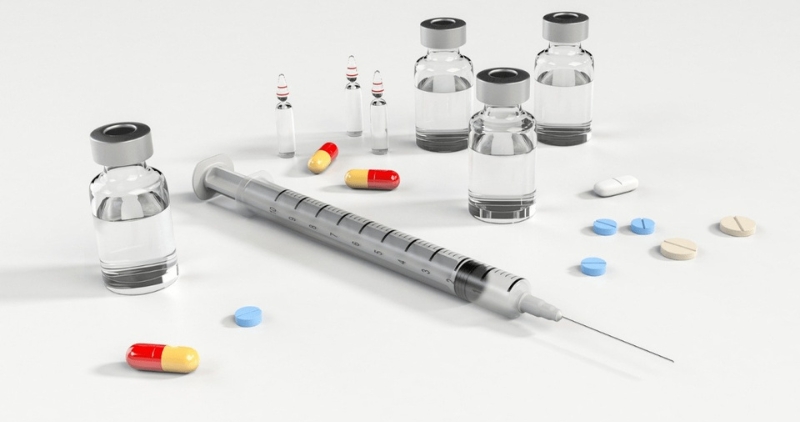
Following the patent expiration, Zydus Lifesciences has launched Semaglutide in the form of a reusable multi-dose pen. This medication is indicated for the treatment of Type 2 diabetes and obesity. The price for a one-month course has been announced at approximately ₹2,200.
Additionally, major pharmaceutical firms such as Sun Pharma, Dr. Reddy’s, Lupin, Natco, and Mankind are also entering this market segment. It is estimated that over 40 companies will launch various brands, thereby intensifying competition and making the medication accessible to a wider population.
Global Supply and Expansion Plans
Dr. Reddy’s Laboratories has stated that it is introducing the same Semaglutide formulation in India that it supplies to international markets; furthermore, the company possesses the capacity to cater to export markets alongside domestic demand. Discussions regarding a potential launch in Canada are also currently underway. According to industry estimates, the market for GLP-1 medications in India could reach a valuation of $1 billion in the coming years.
Why is the Demand for Semaglutide Rising?
Semaglutide works by stimulating insulin production and lowering blood sugar levels. Additionally, it helps control appetite. By slowing down the rate at which the stomach empties, it aids in weight loss.
Clinical trials have demonstrated that it can lead to a weight reduction of 10–15%, while simultaneously lowering the risk of heart attack by 26% and the risk of stroke by 39%. Doctors regard this not merely as a means of blood sugar control, but rather as a “disease-modifying therapy.”
However, concerns abound as well.
Experts acknowledge that its lower cost will make the treatment accessible to a wider population; however, this also heightens the risk of misuse. People may opt to take the medication without consulting a doctor, potentially leading to adverse effects rather than benefits.